There are examples of ‘morality systems’, or ‘karma systems’, being present in video games going as far back as the mid-1980s. As gaming evolved into the 21st century, so too did the complexity of the more psychologically-driven mechanics that were present in many top-tier titles. For instance, 2003’sKnights of the Old Republicfeatured an iconic battle between good and evil, with players walking the line between the Light and the Dark side of the Force.
RELATED:Games Where Your Decisions Truly Matter
Since then, the concepts of player choice, multiple ending, consequence systems, and karma have been well and truly explored by developers. In the last twenty-or-so years, there have been games that, at their very core, allow players to determine exactly how the events of the story will unfold, based entirely on the nature of the decisions they make. It’s one of the more immersive in-game mechanics, giving players the ability to truly become good or evil.
8Fallout 3
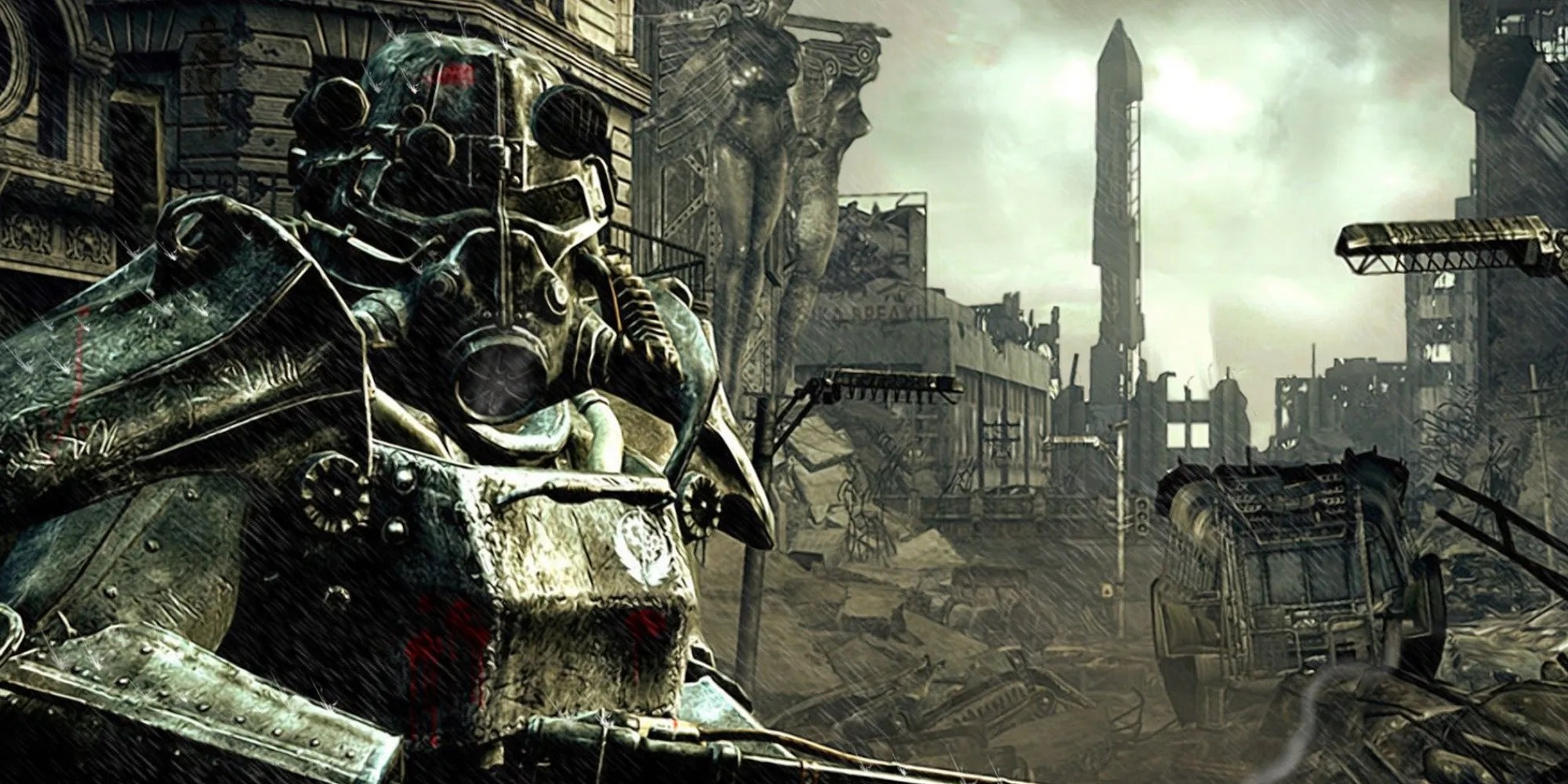
Fallout 3was released in 2008 to an overwhelmingly positive reception. It was a massive milestone for theFalloutfranchise, pivoting to a 3D, action-RPG style of game that would come to be the staple for the series moving forwards. Today, it’s considered by many to be the best Fallout game ever, boastingan intense, memorable story, a relatively horrifying and large open world, and of course, a fairly decent karma system.
In Fallout 3, almost every choice has a consequence, even if that consequence merely shifts the ‘karma meter’ one way or the other. If a player steals something, their karma meter will drop, but if they help a stranger in need, it’ll rise up ever so slightly. At the wildest end of the spectrum, karma can be impacted by literally nuking an entire town, or saving a settlement from certain annihilation. It’s a wacky trip, but a great example of a basic karma system.
7Mass Effect
Mass Effectwas iconic for several reasons, one of which was the karma system that was present throughout the entire series. Built around a two-ended spectrum that featured both ‘Paragon’ and ‘Renegade’ groupings, the karma system inMass Effectwas driven mostly by key, important choices that popped up at themost important moments in the story.
RELATED:Mass Effect Legendary Edition: Decisions That Can Cost You The Best Ending

InMass Effect, the impact of the karma system is heightened by the fact that the same character can be carried across a three-game series. There are many opportunities for a player to forge their character into a typically good or a typically evil protagonist, and by doing so, they’ll unlock unique dialogue options and reactions. Unfortunately, the karma system doesn’t have a massive impact on the ultimate ending to the game, a point that left a sour taste in the mouth of many fans.
6Dishonored
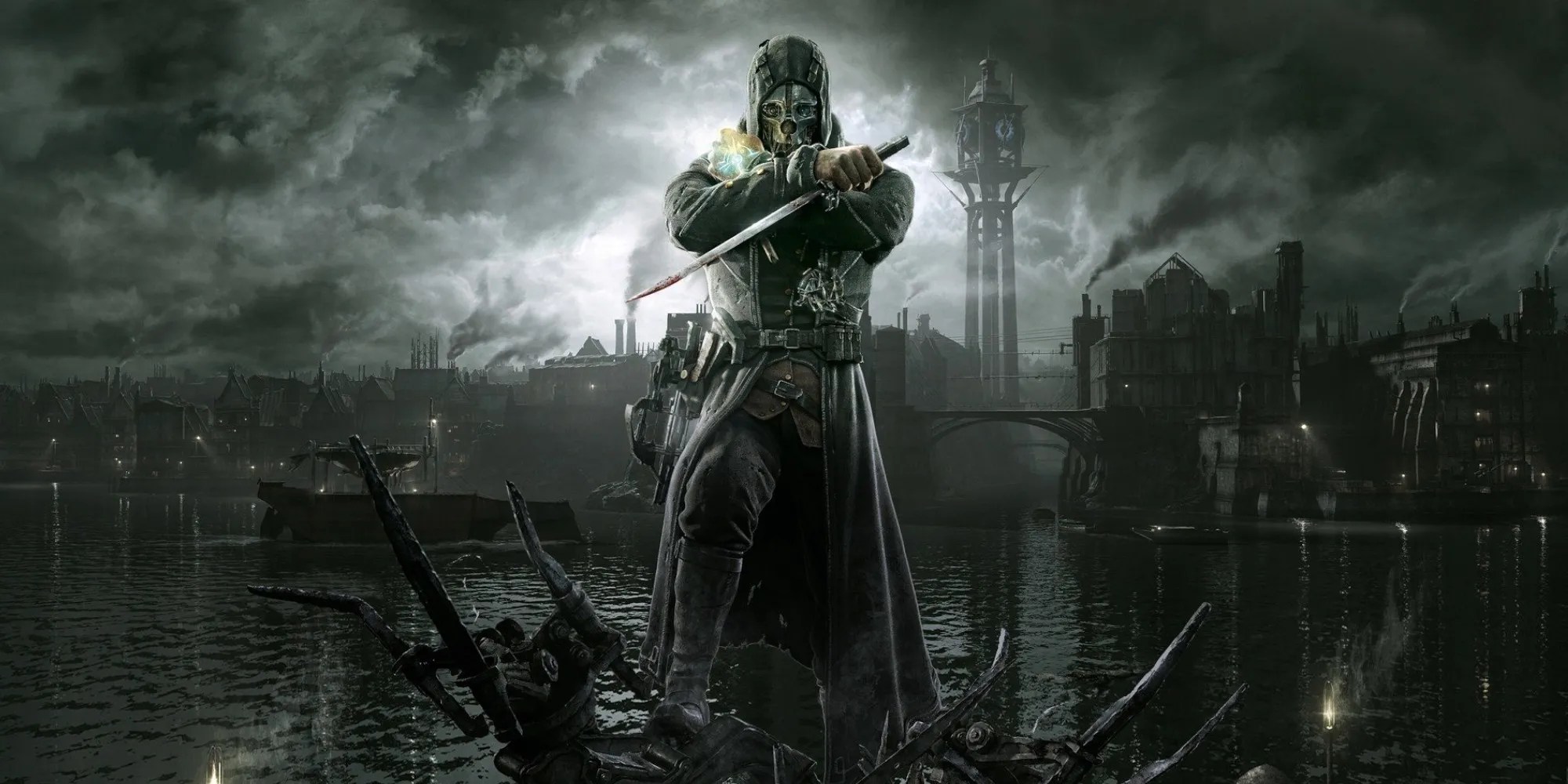
Dishonoredis a relatively strange title where the karma system is concerned. In a nutshell, it offers players a huge array of cosmic killing powers, including some fairly brutal abilities, then essentially punishes them for using them. InDishonored, if the player decides to embark on a lethal playthrough, killing and maiming everything in sight, the karma system will punish them by delivering quite a bad ending, once the story has wrapped up.
There’s an ongoing sub-system present inDishonoreddriven by karma and the choice and consequence system, though.As the player progresses through the story, they’ll often need togo back through the same areaseveral times. If they choose the lethal route, then the next time they go through that area, it’ll be more heavily patrolled, feature more traps, and generally be tougher. It’s a spiraling circle that can both make the game more difficult and produce a bad ending should the player take on more negative karma.
5Metro
For a while, players were able to push through the morbid, post-apocalyptic setting ofMetrowithout even realizing a karma system was present. However, first seen inMetro 2033, the karma system in this franchise is known as ‘moral points’. For better or worse, players acquire either negative or positive moral points based on decisions made at certain pivotal points in the story.
Unfortunately, there’s no real indication that these choices have an impact on the story, not until it’s potentially too late. They’re the driving force behind which ending the player receives upon completion of the story, and aside from brief flashes of light on the screen when a choice is made, moral pointsare a totally secret mechanic. For the most part, many of these moral points are acquired through the most minor actions, and unless a player uses a guide, they’ll likely never uncover them all.

4Fallout: New Vegas
Fallout: New Vegaswas the last title in the franchise that featured a karma system, much to the general displeasure ofFalloutfans. It was a key mechanic inFallouttitles, or so it was thought, up until 2015’sFallout 4was released without one. In the series, it adds slightly more gravity to decisions, bestows a karma-based title on players, andcan impact how certain factionsor people interact with them. InNew Vegas, the karma system was relatively unchanged from the predecessor,Fallout 3.
RELATED:Fallout: New Vegas - Unmarked Quests That You Should Not Miss

It’s fairly obvious inFallout: New Vegaswhich decisions will lead to negative karma. For the most part, it’s an easy game to manage, as clearly ‘evil’ decisions will tick away at the karma meter, while anything good will boost it back up again. It’s not as intelligent a system as in other games, but it’s a good, strong example of a basic karma mechanic.
First seen in 2010’sRed Dead Redemption, theRDR2karma system is relatively the same, boasting a back-to-basics karma meter. InRed Dead Redemption 2, the karma system was fleshed out a little more, ultimately contributing to the game’s ending in quite a major way. Throughout the story inRDR2, playerswill uncover various momentsthat will send their karma one way or the other, and as they explore the open world, they’ll find many smaller, less impactful decisions to be made.

RELATED:Every Red Dead Redemption 2 Character Who Gets Out Alive
InRDR2, the karma system can influence how NPCs in the world will react to the player character. Should the karma meter flow too far in one direction or the other, it’ll throw certain interactions and sub-characters behind a locked door, never to be seen, unless that karma meter is addressed. It’s a long and arduous journey through the world ofRed Dead Redemption 2, and by the end, players understand that every choice really does matter.
2Fable 2
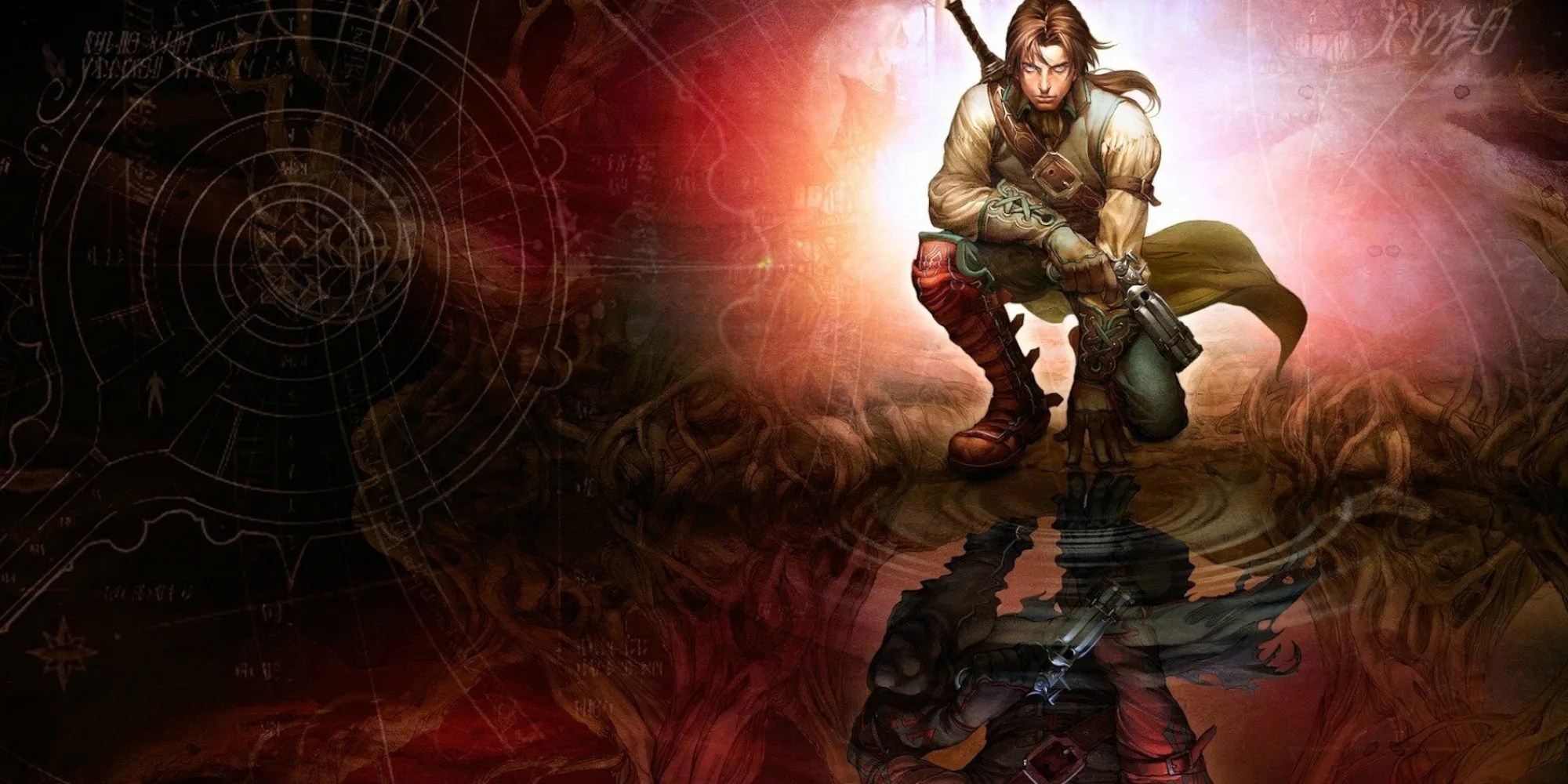
EveryFabletitle featured a rather comical karma system, butFable 2is often considered by fans to be the pick of the franchise. InFable 2, the many decisions that a player must act on, and smaller actions that include what they eat and how they communicate with NPCs, have a driving impact on that karma system. As the game unravels, this karma system will decide how the player character looks, in quite a clever way.
For example, if a player that takes a generally ‘good’ path were to explore a diet of mostly meat, they’d come to take on the appearance of a well-built, angelic character. It’s an in-depth system that will influence how the inhabitants of the open world found withinFable 2interact with the player, from heavily-weighted story missions to passing comments in the street.
1Infamous: Second Son
In the superpower-fueled franchise that is Infamous, a karma system has always been present. However, in 2014’sInfamous: Second Son, the choices made by the player, and the very nature ofhowthey play, will lead to two dramatically distinct endings. From wielding unbelievable power and oppressing a city to becoming an iconic savior of those under the thumb of government agents, the player can go one of two ways with their playthrough.
Admittedly, it’s a relatively basic offering, but as karma systems go, it’s organic, easy to understand, and it makes sense. It really is a clean-cut battle of good vs. evil, but that’s all it needs to be - it’s not complicated or convoluted, and it contributes perfectly towards obvious if somewhat predictable endings for either end of the spectrum.

