Summary
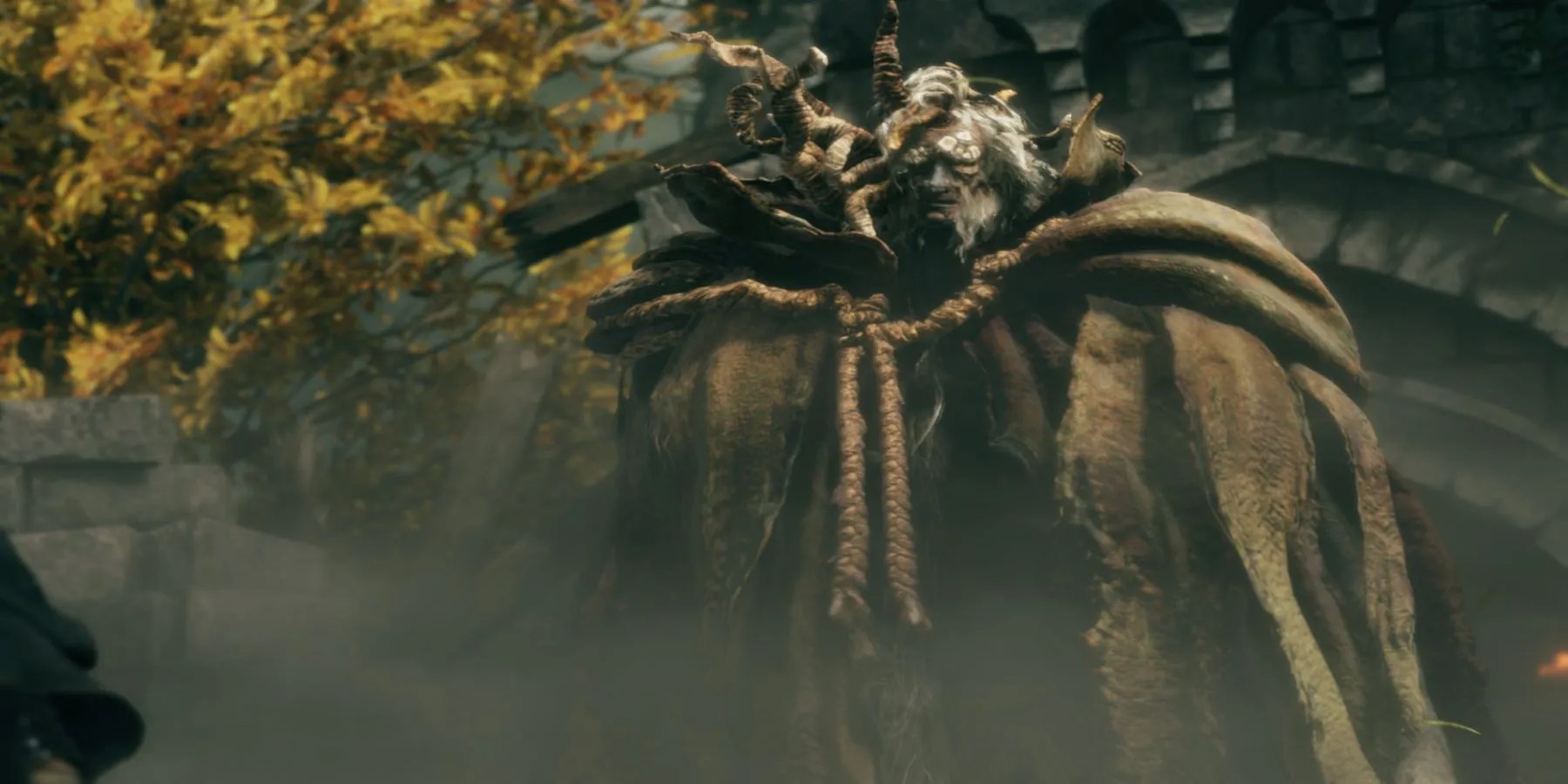
There are a number of bosses that From Software has sprinkled aroundElden Ringmore than once, sometimes to a degree that can feel repetitive for the lack of real variety. However, Morgott the Omen King is one of few examples where the second encounter is drastically different from theoriginal barrier that is Margitin Stormveil Castle.
The iterations of Morgott aren’t unique inElden Ring, as there are a handful of other bosses that do implement new movesets or damage types when they are found across multiple encounters. That being said, Morgott takes this trend to the next level as he changes his weapon from a knotted club to a curved sword and is essentially an entirely different fight with only a handful of similarities that tie the two occurrences together.
RELATED:5 Soulslike Features Resident Evil Could Take Inspiration from
Morgott’s First Fight Under a False Name
A decent amount of Morgott’s introduction initially sparked speculation amongElden Ringfans, from the mention ofthe Flame of Ambitionto the hint that the Night’s Cavalry are minions of the boss. However, most interesting is the strange decision for Morgott to introduce himself as Margit the Fell Omen, rather than with his real name. It is an odd thing for a character to do when approaching an outsider with no knowledge of the Lands Between in the first place, especially before the player has possibly even been to the Roundtable Hold and learned about the Demigods' identities.
Still, this fight sets an early template for how Margit will fight across the several encounters where he appears, with heavy attacks coming from his large club that are supplemented with spectral blades that deal holy damage. It’s a tense encounter that canblock progression throughElden Ringfor many players if they haven’t fully explored Limgrave well enough to be kitted out with powerful gear and improved Crimson Flasks. So, having this first encounter pale in comparison to the next major fight against the true form of Morgott makes overcoming the next obstacle even more rewarding when he is finally beaten.

Morgott’s Showcase of FromSoftware Difficulty Hardly Reflects Margit
With Morgott acting as the barrier at around the halfway point ofElden Ring, right before the Mountaintops of the Giants and thecontroversial Fire Giant fight, it makes sense that he would be a major difficulty spike. However, much of this increase in difficulty comes as much from the actual change in moveset and increase in damage, as much as it comes from the psychological factor of seeing what appears to be Margit for the second time. Even as the boss breaks the bark from his weapon and reveals Morgott’s Curved sword, the fight initially appears to be mostly a replica of the original fight leading into Stormveil Castle.
It isn’t until the player manages to get some hits off on Morgott that the changes become immediately apparent, as the breadth of spectral weapons increases from a sword, hammer, and dagger to include a spear and rain of swords across the entire arena. The twist comes from the fact that many of these new attacks don’t appear until Morgott has reached a certain damage threshold, similar to the half-phase transitions ofElden Ring’s Godfrey and Hoarah Loux. Then the actual second phase pushes the difficulty to a new level as Morgott becomes much more aggressive and starts following up more of his attacks in ways that he hadn’t at the start of the fight.
One major change between the two phases comes in the form of the spectral spear that Morgott summons before charging forward toward the player. The change comes in the form of a follow-up attack that comes after the charge where Morgott swings both his weapon and his tail around to turn what had been an easy punishment into a trap after transitioning into phase two. This doesn’t make MorgottElden Ring’s hardest boss, but it certainly sets the upcoming encounters up to give players fewer opportunities to attack and punish preconceptions.
Elden Ringis available now for PC, PS4, PS5, Xbox One, and Xbox Series X/S.
