Also known as sabotenders, cactuar are one of the unique mascots ofFinal Fantasy. They stand next to chocobo and moogles as one of the recurring creatures in many games. Unlike chocobo and moogles though, cactuar were not made by Koichi Ishii, they were instead designed by Tetsuya Nomura; one of the lead designers, directors, and artists ofFinal FantasyandKingdom Hearts.
Cactuar also appeared later compared to the other mascots of theFinal Fantasyseries, first showing up inFinal Fantasy 6. Since then, they have been everywhere - in bothFinal Fantasyand even games likeDragon Quest 10, Monster Strike, Mario Sports Mix, Monster Hunter World, Rise of Mana, Roblox,andKingdom Hearts. That said, many would not guess this colossal cactus figure had humble beginnings, first appearing in the notebook of a high schooler.

RELATED:Final Fantasy 6: Kefka’s Lore Explained
How Cactuar Began
The origin of cactuar was shared in a 1997 issue ofV-Jump,sayingNomura based the creatures on a doodle he had in his high school notebook. He worked onFinal Fantasy 6as a graphic director, making characters such as Shadow and Setzer. His cactuar also made it into the game, but they were a little different from the creature fans know of today. In the original SNES translation, they were called cactrots. They did already have traits that would stick with them throughout all the games though, such as their trademark attack: one thousand needles.
Outside of Japan, not many fans are familiar with “haniwa,” which are what cactuar resemble. Haniwa date back to Japan’s Kofun period, and were clay figures often were buried with the dead. A popular theory is that haniwa were made to house the soul of the deceased. These figures have served as inspiration for numerous things in games, includingAnimal Crossinggyroids,Dragon Quest’searthernwarriors, and cappies inKirby.
While cactuar designs resemble haniwa, most of their design is associated with cacti. Their needle attacks are one example, as is their name. Their Japanese name, sabotender, is a combination of theJapanese wordfor cactus and the English word “pretender.” The English cactuar is not so different, combining the English words “cactus” and “liar.”
How Cactuar Developed Through The Series
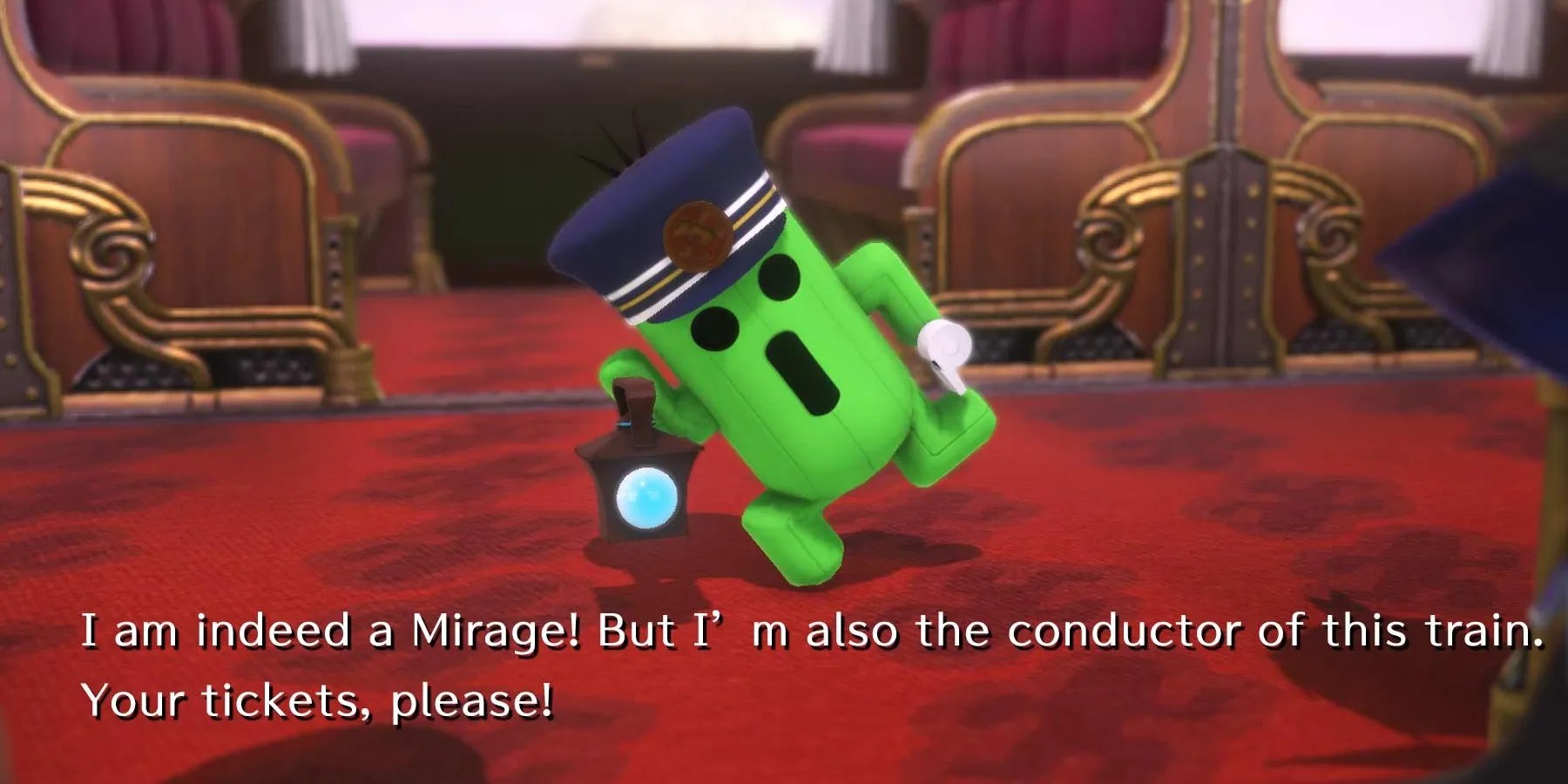
AfterFinal Fantasy 6, it was rare to find aFinal Fantasygame without cactuar. They often either had roles as enemies or as characters in the Gold Saucer. Sometimes their names varied, for example they were called “kactuer” inCrisis Coreand there were “qactuar” inFinal Fantasy 10. In some games, such asChocobo World, cactuar got more friendly roles, such as being a friend of the protagonist, and inWorld of Final Fantasyone was actually a train conductor.
Their designs have had subtle differences between games, but there were particular games that had big differences. InFinal Fantasy 11, they looked far more monstrous than cute, and their bodies deviated to look more humanoid without the iconic tilted pose. ForFinal Fantasy 12, they had much rounder shapes with actual needles visible all over their bodies. In recent games, likeFinal Fantasy 14: Shadowbringers, there are also cactuar that are far more plant-like with many different cacti limbs on their heads.
Cactuar have been friends, enemies, summons, costumes, mounts, bosses, and merchandise throughout theFinal Fantasyseries, and their creator is still quite active inSquare Enixas a game director and character designer. When more games come out, it will be always fun to see the cactuar and what roles they will take up next.
MORE:Why Final Fantasy 5 and 6 Deserve the Remake Treatment
